Essential Tips for Choosing the Right Threshing Machine?
Choosing the right threshing machine can be a daunting task. With various models and features available, it often feels overwhelming. According to John Smith, an expert in agricultural machinery, "Selecting the right threshing machine can influence overall productivity." His insights serve as a guiding beacon for farmers navigating this decision.
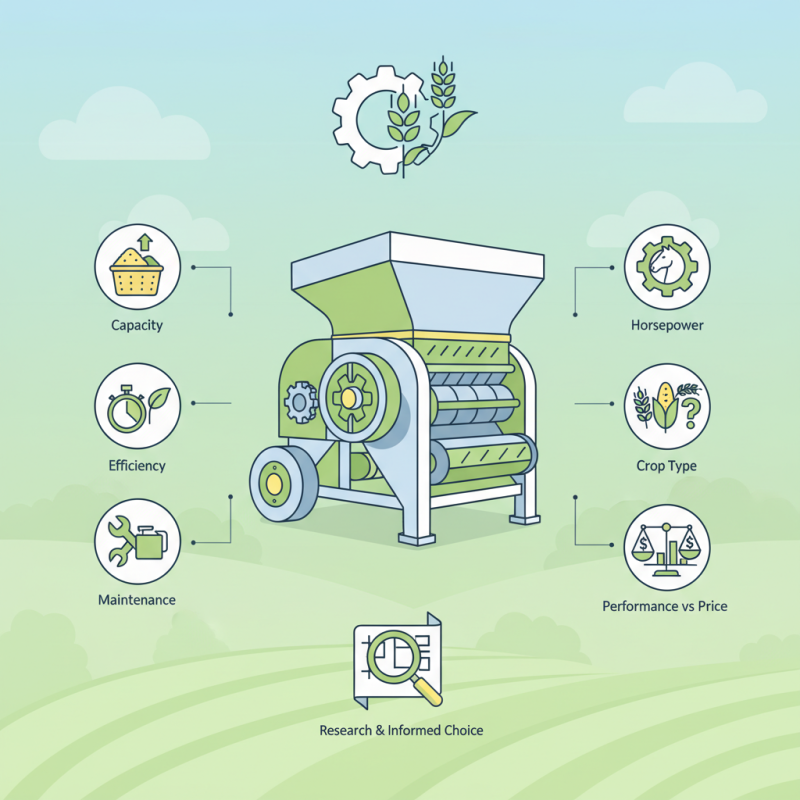
Threshing machines play a crucial role in agriculture. They help separate grains from husks and stalks. Yet, many users overlook vital details. Factors such as capacity, efficiency, and maintenance should not be ignored. Choosing the wrong machine may lead to inefficiencies. Sometimes, farmers settle for machines that do not meet their needs, which can impact yields dramatically.
Investing time in research is essential. Don't rush the decision. Consider features like horsepower and design. Think about the crops you will be threshing. Finding the perfect match is not just about price; it's about performance. Farmers should reflect on their specific requirements and make informed choices.
Understanding the Different Types of Threshing Machines Available
When it comes to threshing machines, understanding the types available is crucial. One common type is the conventional threshing machine. It separates grain from the chaff using a series of rotating cylinders. Farmers often find this machine effective, but it can be slow. This may not suit every operation.
Another option is the axial-flow threshing machine. This design allows for a continuous flow of materials. Many farmers appreciate its efficiency. However, these machines may struggle with certain crops. Maintenance can also be more complex.
Finally, consider the drum-type threshers. They are compact and often easier to manage. Some users like their simplicity, while others dislike the limited scale. Each type has its strengths and weaknesses. Evaluating them thoroughly is essential for making the right choice.
Key Factors to Consider When Selecting a Threshing Machine
Selecting the right threshing machine involves several key factors. The capacity of the machine is one of the most important considerations. Higher capacity machines can process more material efficiently. However, they might be complex and expensive. Balance your needs with your budget. Understanding your daily workload can guide you to the right size.
Another critical factor is the type of crop you will be threshing. Different machines excel with different crops. Wheat, rice, and legumes each have unique requirements. Testing what works best with your specific crops can save time and improve yield. Don’t overlook the machine's ease of use. Complicated controls can slow down your work. Ensure that operators can manage the equipment comfortably.
Maintenance and serviceability shouldn't be forgotten. Some machines require less frequent maintenance. Others might be more prone to issues. Check the availability of service options in your area. Accessibility to parts is also vital. Equipment that is hard to repair can lead to downtime and losses. Make sure you have a clear understanding of what you’re getting into.
Essential Tips for Choosing the Right Threshing Machine
When selecting a threshing machine, it's important to consider various specifications such as capacity, fuel efficiency, maintenance frequency, price, and weight. This chart presents these key factors to help you make an informed decision.
Evaluating Your Crop Type for Optimal Threshing Performance
Choosing the right threshing machine heavily depends on your crop type. Different crops have unique characteristics that affect how they should be processed. For instance, grains like wheat and barley have hard seeds that require specific settings for optimal performance. According to industry reports, inefficient threshing can lead to a 10-20% loss in crop yield.
It's vital to assess your harvest’s moisture content and hardness. For example, crops harvested too wet can lead to clumping and stickiness during threshing. This can cause machine jams and reduce the overall efficiency of the process. A study published in the Journal of Agricultural Engineering highlighted that adjusting the threshing speed can significantly affect grain separation rates. Experts recommend testing your crops regularly to determine the necessary adjustments.
Moreover, understanding potential machine limitations is essential. Some machines may excel with certain crops but fail with others. Adapting settings for each type of grain is critical. A lack of flexibility can result in wasted time and resources. Investing in a multifunctional machine may seem costly, but it can save money in the long run. Ultimately, evaluating the right equipment for your crop type is not just about efficiency; it's about maximizing your harvest.
Analyzing Machine Capacity and Operational Efficiency
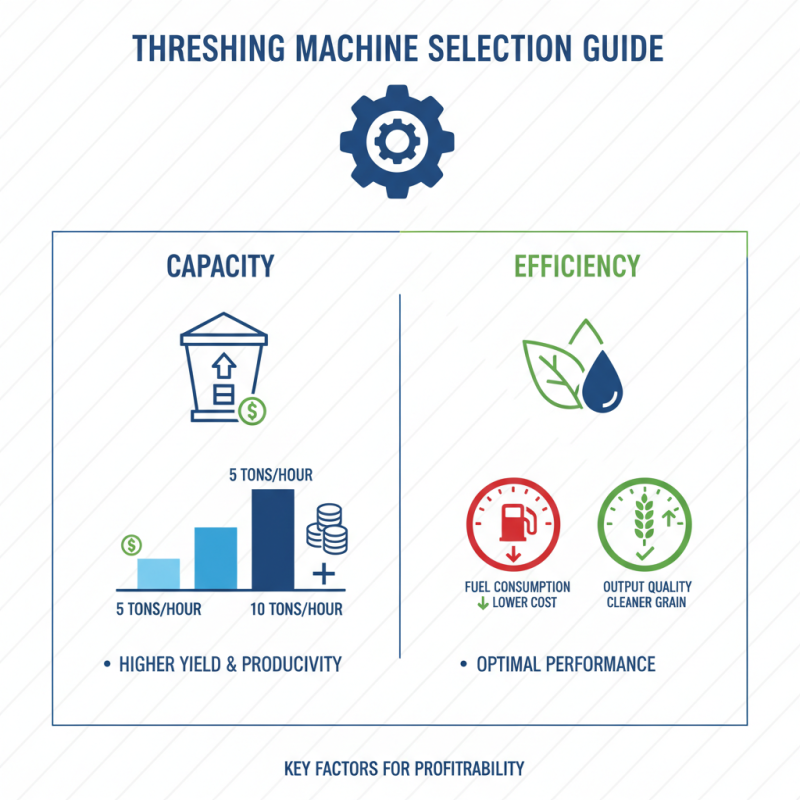
When selecting a threshing machine, operational efficiency and capacity are crucial factors. Industry reports suggest that a machine's capacity can impact overall productivity significantly. For example, a threshing machine with a capacity of 10 tons per hour can yield higher returns than a lower-capacity model. Yet, efficiency is not just about the numbers. It's essential to assess the machine's fuel consumption and the quality of the output.
Tips: Before making a decision, analyze the machine's specific output rates. A machine that works faster isn't always better. Sometimes, higher speed can compromise the quality of the grain. Balance is key.
Understanding your specific needs is vital. For instance, some machines may perform well in dry conditions but struggle in wetter environments. According to agricultural studies, adapting to the local climate can improve efficiency by up to 20%. A machine that lacks versatility may end up being a costly investment. Reflect on these factors when choosing your threshing machine.
Budget Considerations and Long-term Maintenance Costs
When selecting a threshing machine, budget considerations are crucial. Prices vary widely based on size, features, and durability. Consider your immediate financial ability, but also think long-term. A cheaper machine might save money now but could lead to higher maintenance costs later. Budgeting for both purchase and upkeep is essential.
Think about the total cost of ownership. This includes repairs and service. Some machines might need frequent repairs, while others last longer. Analyze the warranty and service options available. A good warranty can save you money over time. It’s better to invest a bit more initially than to face unexpected expenses later.
When you choose a machine, pay attention to its build quality. A sturdy design might mean higher upfront costs but less wear and tear down the line. Check reviews and feedback from users. They often point out recurring issues that could save you from costly mistakes. Consider the operational efficiency as well, as saving on fuel can significantly impact overall costs.