What is a Film Covering Machine and How Does it Work?
A Film Covering Machine is an essential tool in various industries. It is designed to apply a protective film over products, enhancing their durability and appearance. Understanding how this machine operates can significantly impact production quality.
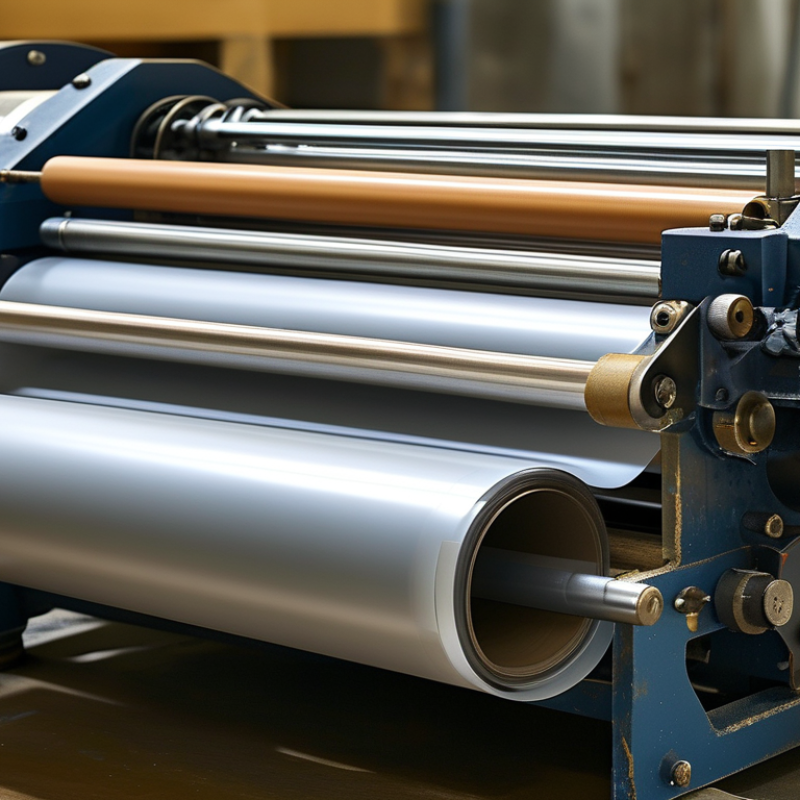
Typically, a Film Covering Machine works by unwinding a roll of film. The film is then carefully positioned over the item. After proper alignment, heat or pressure applies the film, ensuring a tight seal. This process not only protects the product but also improves its aesthetic appeal.
While the technology is efficient, there are challenges. Misalignment can lead to wasted materials. Operators must be skilled to prevent errors. Moreover, not all films are compatible with every product, which adds to the complexity. Recognizing these limitations helps in better machine performance and product integrity.
What is a Film Covering Machine?
Film covering machines are specialized devices used primarily in packaging industries. Their main role is to apply a thin plastic film over products, ensuring protection and extending shelf life. According to a report from the Packaging Machinery Manufacturers Institute (PMMI), the global demand for film packaging is projected to reach $400 billion by 2026. This illustrates the significant role film covering machines play in modern packaging processes.
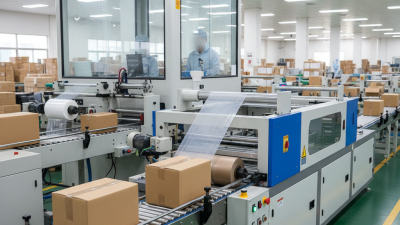
The working mechanism of a film covering machine involves several steps. First, the product is positioned on a conveyor belt. The machine then dispenses the film from a roll. Subsequent heating seals the film tightly around the product. This process reduces exposure to air and contaminants, which is crucial for perishable items. Despite its effectiveness, some users note challenges in achieving uniform coverage, particularly with irregularly shaped products.
Another important aspect is the environmental impact. While film covering machines optimize packaging, they often rely on plastic films that are not biodegradable. This creates a dilemma for manufacturers focused on sustainability. Findings from the World Economic Forum indicate that only about 9% of plastic is recycled, raising concerns about long-term environmental effects. Discussions about alternative materials and improved recycling processes are becoming essential in the industry.
Types of Film Covering Machines and Their Applications
Film covering machines are essential in various industries. They are used to apply protective films to products, like electronics and food packaging.
These machines enhance protection against dust, moisture, and scratches. Their efficiency significantly improves product durability and shelf life.
There are several types of film covering machines. Manual systems require staff to operate them, which can be labor-intensive. On the other hand, automatic machines offer high-speed performance.
These can coat products consistently with minimal human intervention. Both types have their own applications, depending on production needs and scale. However, the choice between manual and automatic systems can be overwhelming.
It's important to reflect on the specific requirements of your operation.
In industries like food and beverage, film covering machines can extend the freshness of items. Yet, not all machines suit every product.
Selecting the right one involves understanding what works best. There may be challenges in calibration and maintenance, which can lead to inefficiencies.
It’s vital to consider the learning curve associated with operating new machinery. Understanding these nuances can enhance the use of film covering machines in any production line.
Key Components of a Film Covering Machine Explained
A film covering machine is a valuable tool used in various industries. It is designed to apply a thin layer of film to products such as bottles, jars, or boxes. This machine helps protect items during transport and enhances their appearance. There are several key components that make these machines effective in their task.
One crucial part is the film feeding system. This system ensures a continuous supply of film rolls to the machine. A reliable feeding mechanism prevents jams and ensures consistent film application. Another important component is the cutting unit, which trims the film to the right lengths. Precision in this part is vital to avoid waste and ensure a neat finish.
Tips for optimal operation include regular maintenance checks. This can prevent breakdowns and enhance productivity. Always monitor the film tension settings. Too tight or too loose can lead to poor application. Also, consider testing different film materials. This can help achieve the best results for specific products.
Each machine has its quirks. Operators should familiarize themselves with their specific model. Performance may vary slightly based on adjustments made. Understanding these nuances can improve efficiency and outcomes. Always document any changes made during operation for future reference.
Film Covering Machine Production Output
How Film Covering Machines Improve Packaging Efficiency
Film covering machines play a crucial role in enhancing packaging efficiency. These machines use thin, flexible film to wrap products securely. According to recent industry reports, companies that adopt film covering solutions improve their packaging speed by up to 30%. This efficiency leads to significant cost savings and helps meet increasing customer demands.
The technology behind these machines allows for precise application of film, reducing material waste. A study revealed that businesses could cut down packaging costs by approximately 20% through optimized film usage. This not only lowers expenses but also supports sustainability efforts by minimizing waste production.
Tips: Regular maintenance of film covering machines is essential. Dirt and wear can hinder performance. Ensure operators are trained properly to avoid mistakes that can lead to costly downtime. Small adjustments to machine settings can yield better results, so pay attention to changes in product specifications.
Latest Industry Trends in Film Covering Technology
The film covering technology has evolved significantly in recent years. Current reports indicate a notable increase in market size. The global demand for film covering machines will exceed $300 million by 2025. Manufacturers are focusing on efficiency and sustainability. Innovations in automation are at the forefront. This trend aligns well with the industry’s push for greener production processes.
In 2023, the rise of biodegradable films has captured attention. These materials are not only environmentally friendly but also effective in protecting products. Industry experts claim that over 30% of businesses are considering a transition to greener alternatives. However, challenges persist. Not all biodegradable films perform at the same level. Quality consistency remains a critical concern.
Moreover, the adoption of smart technologies is paving the way for customization. Advanced sensors and AI are helping machine operators monitor processes in real time. Data from recent studies show that integrating AI can enhance efficiency by 20%. Yet, the rapid change places immense pressure on traditional manufacturers. Adapting to new technologies requires investment, which can be a barrier. This dynamic highlights the importance of balancing innovation with practical application.