How to Use a Walking Tractor Effectively for Your Farming Needs?
In the world of modern farming, the Walking Tractor emerges as a versatile tool. It combines simplicity and efficiency, making it a staple for many farmers. With the right techniques, farmers can maximize productivity using this powerful machine.
Understanding the strengths of the Walking Tractor is crucial. It excels in maneuverability, especially in small fields. Yet, some farmers struggle to adapt to its unique handling. This adaptation can be challenging but rewarding. Learning to balance speed and precision is essential. Farmers must be aware of their landscape, adjusting techniques accordingly.
Employing the Walking Tractor effectively requires practice and reflection. Mistakes are part of the learning curve. Some may rush into tasks, only to realize later that patience yields the best results. Keeping a diary of experiences can help identify areas for improvement. Embracing these lessons allows farmers to harness the true potential of their Walking Tractor.
Understanding the Basics of Walking Tractors: Types and Features
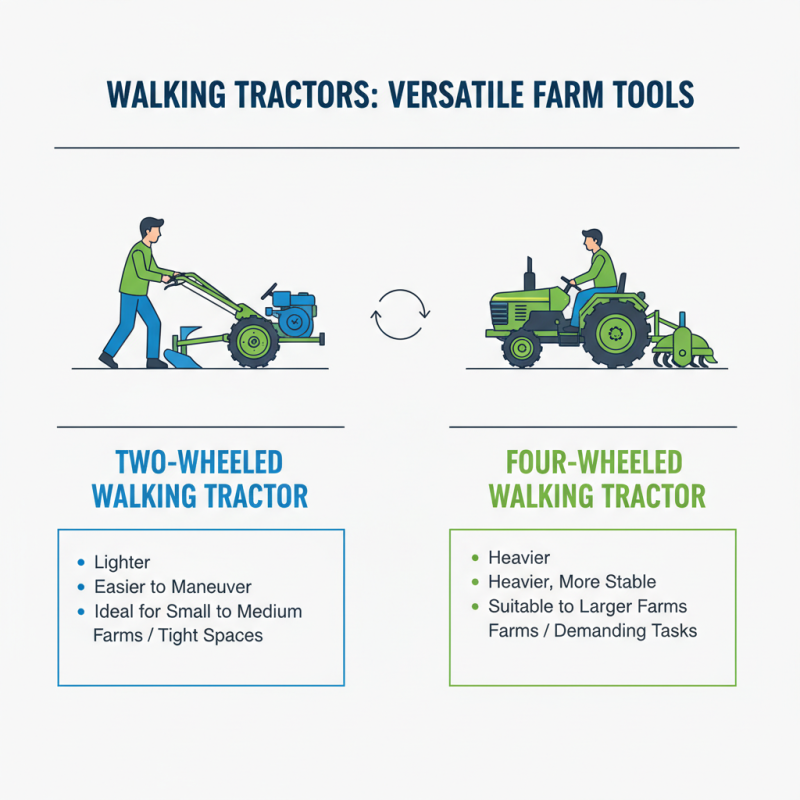
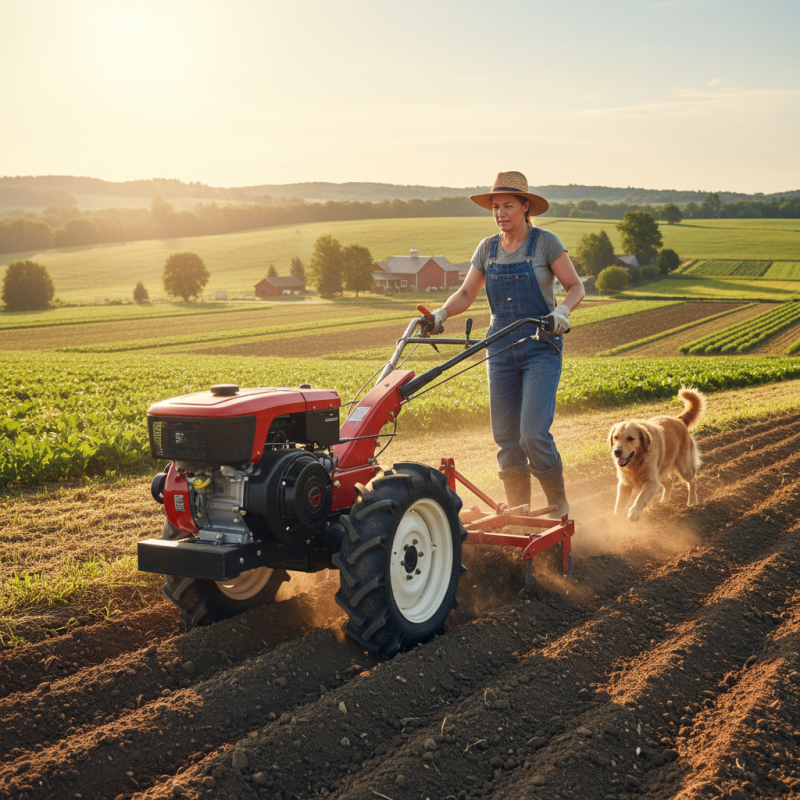
Walking tractors serve as versatile tools for many farmers. They come in various types, each designed for different tasks. Two common types are two-wheel walking tractors and four-wheel walking tractors. The two-wheel models are generally lighter and easier to maneuver. These are perfect for small to medium-sized farms where tight spaces are common.
Features vary significantly among walking tractors. Some models have adjustable handles for comfort, while others may offer attachments for plowing or tilling. A key aspect to consider is the engine power. More powerful engines can handle tougher jobs but also consume more fuel. Farmers often find that they need a balance between power and efficiency. Over time, it's critical to reflect on what features genuinely meet their farming needs.
Maintenance is another area needing attention. Regular checks on oil levels, tire pressure, and belts can extend the life of a walking tractor. Many farmers overlook these tasks, leading to inefficiency or even breakdowns. Assessing the effectiveness of the tractor for specific tasks can guide better usage in the future. A more thoughtful approach to operating this machinery can create better outcomes.
Key Benefits of Using Walking Tractors in Modern Agriculture
Walking tractors offer several key benefits for modern agriculture, transforming traditional farming methods. According to a 2022 report by the International Farm Machinery Association, walking tractors can improve efficiency by up to 30%. This efficiency comes from their ability to navigate narrow spaces and execute tasks like tilling, planting, and hauling with ease.
The compact design allows farmers to work on small plots and in challenging terrains. Many smallholder farmers are discovering that these machines require less fuel than larger tractors, making them cost-effective. A study highlighted that farmers could save more than 20% on fuel costs. But there are challenges too. Farmers often struggle with maintenance issues, which can lead to downtime. Proper training is essential yet often overlooked.
In crop rotation, walking tractors can enhance soil quality by reducing compaction. This technique promotes sustainable practices. However, the initial investment can be a barrier. Farmers must carefully assess their needs versus the benefits. It is a balancing act between modern technology and traditional methods. Finding the right tools and techniques requires reflection and often experimentation.
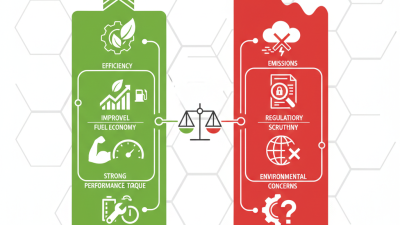
Key Benefits of Using Walking Tractors in Modern Agriculture
Essential Maintenance Tips for Enhanced Performance of Walking Tractors
Maintaining a walking tractor is crucial for effective performance on the farm. Regular checks can prevent costly repairs and downtime. According to industry reports, up to 30% of agricultural machinery failures are linked to inadequate maintenance. Simple tasks like checking engine oil and air filters can significantly enhance performance.
Tires also require attention. A well-inflated tire improves traction and reduces fuel consumption. Under-inflated tires can decrease efficiency by 5% or more. It's essential to keep an eye on tire wear and replace them when necessary. Neglecting this can lead to dangerous situations during operation.
Cleaning the machine after use is often overlooked. Dirt and mud buildup can lead to overheating and parts wear. Regularly cleaning your walking tractor not only extends its lifespan but also ensures optimal performance. Farmers sometimes forget these basic tasks, leading to bigger issues down the line. Keeping a checklist can help in maintaining focus on these crucial maintenance tasks.
Top Applications of Walking Tractors: From Tilling to Transport
Walking tractors are versatile tools for modern farming. One popular application is tilling soil. This task is crucial for preparing fields for planting. With a walking tractor, you can turn and aerate the ground efficiently. It’s vital to adjust the depth settings according to soil conditions. Improper settings can lead to suboptimal results.
Another important use is transport. Walking tractors can move materials across fields. This includes carrying harvests or transporting tools. However, loading too much weight can damage the machine. It’s important to calculate weight limits carefully. Farmers often overlook this, leading to mechanical issues.
In addition to tilling and transport, walking tractors assist in weeding. They can be equipped with attachments for this purpose. Effective weed control is essential to a thriving crop. But using the wrong attachments can cause more harm than good. Experimentation is often needed to find the best fit for your farming methods.
Optimizing Fuel Efficiency: Best Practices for Walking Tractor Operation
Optimizing fuel efficiency is crucial when operating a walking tractor. Research indicates that poor practices can lead to 20% more fuel consumption. Most farmers overlook tire pressure. Under-inflated tires can increase drag and fuel use. Checking tire pressure regularly can help maintain optimal efficiency.
Additionally, proper loading of the walking tractor matters. An uneven load can cause extra strain on the engine, leading to higher fuel usage. It is vital to distribute weight evenly across the machine. Regular maintenance checks are essential. Simple things, like clean air filters, can significantly enhance fuel efficiency. Studies show that a clean engine can save up to 10% in fuel costs.
Farmers should also be mindful of speed. Traveling too fast can increase fuel consumption without improving productivity. Finding the right balance in speed can lead to better results. Sometimes, it’s about slowing down to save fuel. Reflecting on these practices can lead to significant savings in the long run, but many overlook them. A focus on efficiency can transform fuel expenses dramatically.