Why Choose a Walking Tractor for Your Farming Needs?
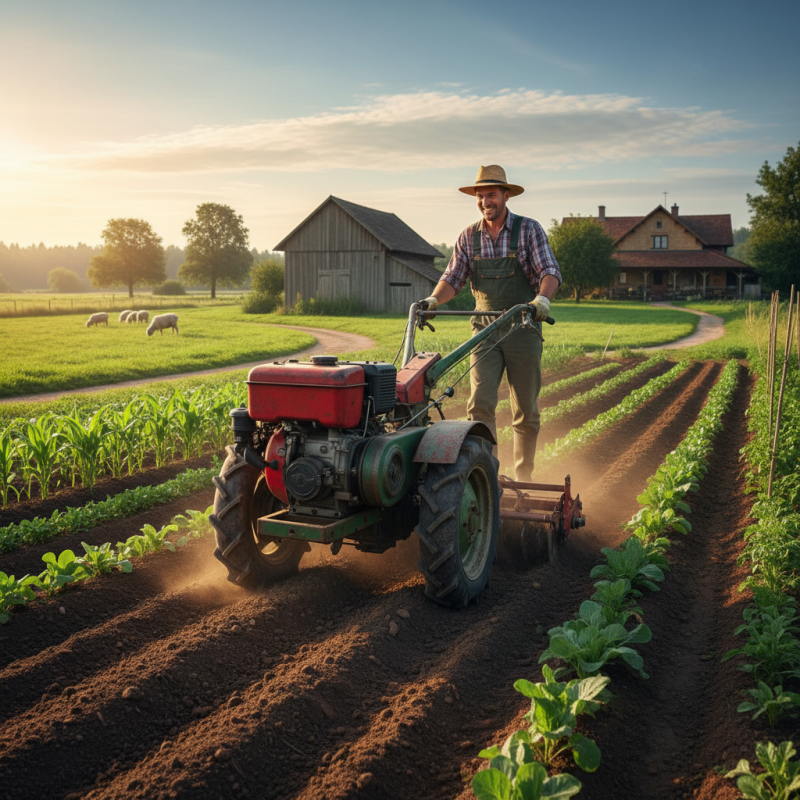
When it comes to modern farming, farmers face many choices. One prominent option is the Walking Tractor. This machine has gained popularity for its versatility and efficiency in small to medium-sized farms.
A Walking Tractor is not just a machine; it's a partner for your farming needs. It can plow, till, and transport goods with ease. This flexibility allows farmers to complete various tasks more efficiently. You'll appreciate how it maneuvers through tight spaces compared to larger tractors.
However, not everyone may find a Walking Tractor perfect. Some might struggle with its maintenance and parts availability. It's essential to weigh these factors carefully. Farmers should consider their specific needs before investing. This reflection can lead to the right decision for cultivating the land successfully.
Benefits of Using a Walking Tractor in Modern Agriculture
When it comes to modern agriculture, a walking tractor offers unique benefits. These machines are versatile and easy to maneuver. Farmers can use them in small spaces, making them ideal for intricate field layouts. They work well in uneven terrains, where larger tractors struggle. Walking tractors can perform multiple tasks, such as tilling, plowing, and planting, all in one go.
One major advantage is their fuel efficiency. They consume less fuel compared to larger equipment, which lowers operating costs. Farmers can save money while still enhancing productivity. The compact design allows for easy transport and storage. However, they may not handle heavy loads as effectively as larger tractors. This limitation can lead to challenges in specific large-scale operations.
Another aspect to consider is the learning curve. Some users might feel overwhelmed by the controls and adjustments. Time spent getting comfortable with the machine can affect initial productivity. Still, many farmers find the investment worthwhile. Walking tractors bring innovation to agriculture while fitting nicely into diverse farming practices.
Key Features to Consider When Selecting a Walking Tractor
Choosing a walking tractor can greatly enhance your farming experience. When selecting the right one, certain features play a critical role. The weight of the tractor determines stability and traction. A lighter model may struggle in muddy conditions. Consider the implements that can be attached. Some tractors offer versatility with various attachments, while others are more limited.
The engine power matters. A robust engine can handle tougher tasks but may increase fuel consumption. Pay attention to the size and layout. Compact models are easier to maneuver. However, they might not provide enough power for larger fields. Evaluate the ease of operation. Controls should be user-friendly, especially for beginners.
Tips: Test drive different models. Get a feel for how they perform in real conditions. Read reviews, but take them with caution. Personal experiences often reveal what specifications can't. Choose based on your unique farming needs. Every farm is different, and flexibility is essential.
Comparing Walking Tractors to Other Farming Equipment
Walking tractors stand out in the farming equipment landscape. They are versatile and efficient, tailored for small to medium-sized farms. Unlike larger tractors, walking tractors are easier to maneuver. They can navigate tight spaces and rough terrains effortlessly. This flexibility is crucial for maximizing crop yields in varied landscapes.
Compared to traditional farming tools, walking tractors present a blend of power and accessibility. They often consume less fuel, making them cost-effective. However, they may lack the raw horsepower of bigger machines. Some farmers find themselves wishing for more strength during heavy tasks. The balance between size and capability is a continual challenge in choosing equipment.
When considering walking tractors versus other farming machinery, one must evaluate the specific needs. The size of the farm and types of crops play a vital role. Not every farmer needs a massive machine. Sometimes, less is more, especially when dealing with delicate operations. Reflecting on these choices can lead to deeper insights into farming efficiency and sustainability.
Maintenance and Care Tips for Walking Tractors
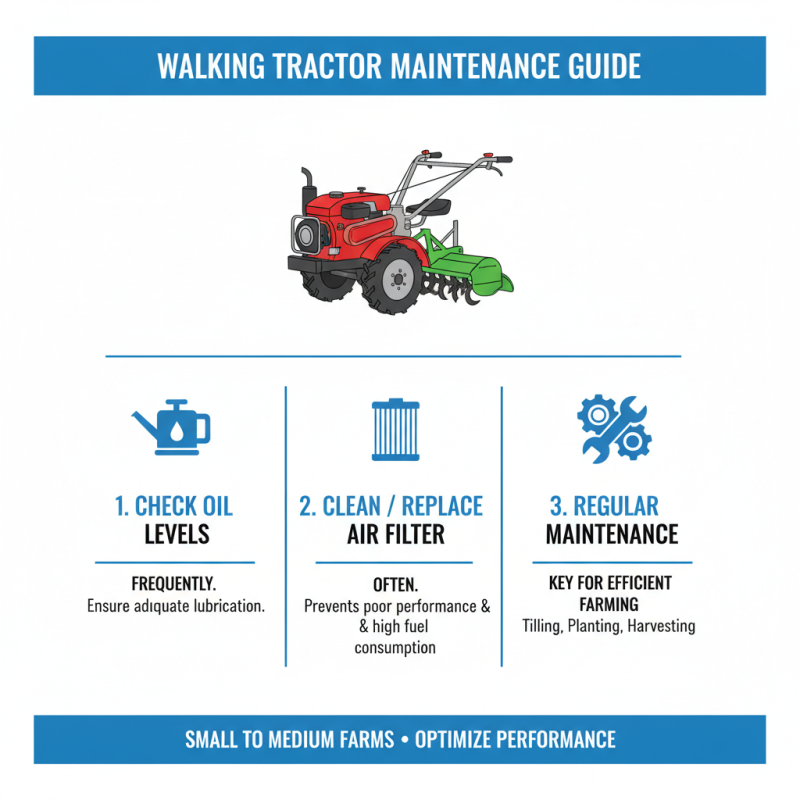
Walking tractors are efficient tools for small to medium-sized farms. They help with tilling, planting, and even harvesting. To keep your walking tractor running smoothly, regular maintenance is key. Start by checking the oil levels frequently. Clean the air filter often and replace it when necessary. Neglected filters can lead to poor performance and higher fuel consumption.
Tire pressure is crucial for optimal efficiency. Low tires can affect traction and maneuverability. Inspect them regularly for wear and tear. Don't forget to grease moving parts, like joints and pivots. A well-lubricated machine will operate more quietly and last longer. Small issues can escalate if ignored.
Make sure to store your walking tractor properly during off-seasons. A dry, sheltered location can prevent rust and damage. Covering your tractor can also keep dust and debris at bay. Even minor maintenance tasks can lead to significant long-term benefits. It's about being proactive, not reactive. Remember, your equipment needs care just like your crops do.
Cost-Effectiveness of Walking Tractors for Small Farmers
Walking tractors can be a game changer for small farmers seeking cost-effective solutions. These machines offer a practical way to manage fields with less financial strain. Their affordability makes them accessible for farmers on tight budgets. Rather than investing in expensive, large equipment, small-scale farmers can opt for walking tractors to meet their needs efficiently.
The versatility of walking tractors is an added advantage. They can perform multiple tasks such as plowing, tilling, and transporting materials. This means farmers can invest in one machine instead of several. However, there may be limitations. The power and capacity of walking tractors may not match larger models, leading to slower work rates. Farmers must weigh these pros and cons carefully before deciding.
In rural areas, skill development is crucial. Many small farmers may lack experience operating these machines. This could lead to inefficient use or damage. Training programs could improve productivity and save costs in the long run. Therefore, while walking tractors appear cost-effective, the initial investment in learning how to use them is vital for maximizing their potential.